
Phishing Awareness Training for Real-World Threats

Phishing is responsible for more than 90% of successful cyber attacks globally. Most organisations have the technology to detect threats, but the weakest point remains the same: people. Phriendly Phishing’s phishing awareness training closes that gap with realistic simulations, personalised learning, and automated reporting that gives your team the skills to recognise and report phishing attacks before they cause damage

What Is Phishing Awareness Training?
Part of a complete human cyber resilience solution for your organisation.Phishing awareness training is a structured programme that teaches employees to identify phishing emails, suspicious links, and social engineering tactics used in real-world attacks. It goes beyond a one-off module. Effective training creates new habits through repeated practice, so the right response becomes instinctive rather than something people have to think about.
Phriendly Phishing combines automated phishing simulations with targeted micro-learning to deliver training that changes behaviour. It sits within a broader cyber security awareness training platform covering the full range of human cyber resilience solutions.
Phishing Simulation Features
The platform runs realistic, automated phishing simulations without requiring IT resources to manage them. Once connected to your directory, campaigns run on schedule, and results feed directly into your reporting dashboard.

Email phishing simulations using templates based on real attack techniques

Spear phishing campaigns tailored to specific roles, departments, or risk profiles

QR code phishing simulations that test employee awareness of quishing attacks

Automated enrolment into targeted micro-lessons for anyone who interacts with a simulated phishing message

Personalised learning paths that adapt based on each user’s behaviour and risk level

Personalised learning paths that adapt based on each user’s behaviour and risk level
A 2025 LearnX Diamond Award for Best EdTech Innovation winner, Phriendly Phishing brings recognised training excellence to every simulation programme. Trusted by leading organisations including AFL, Gateway Bank, and Chorus.

QR Code Phishing Testing
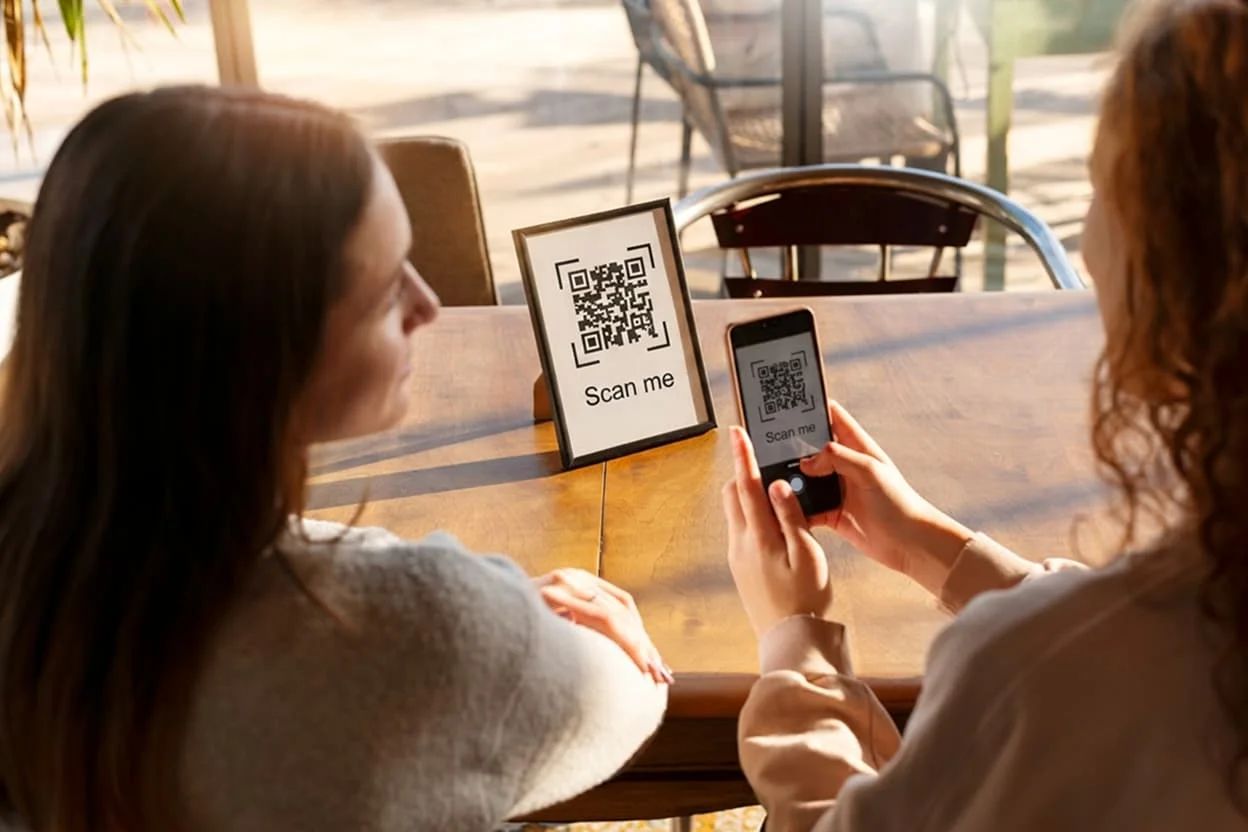
QR code phishing, also known as quishing, is one of the fastest-growing attack vectors targeting workplaces. Attackers embed malicious URLs in QR codes that most email security tools cannot scan or block. Staff who would never click a suspicious link will scan a QR code without hesitation.
Phriendly Phishing is one of the few platforms offering built-in QR code phishing simulations alongside traditional email-based campaigns. This means your team is tested against the threats they actually face, not just the ones that were common five years ago.
QR code simulation results feed into the same reporting dashboard as all other campaign data, giving you a complete view of phishing susceptibility across attack types.

Reporting and Risk Tracking
Every simulation campaign generates detailed risk data at the individual, team, and organisational levels. The platform tracks phishing click rates, report rates, and training completion in real time, so you always have an accurate picture of your risk.
Risk dashboards are designed to be readable at every level. IT leads get granular user-level data for targeted follow-up. HR teams can track behaviour change over time. Leadership and board audiences get clear, plain-language summaries of organisational risk and programme progress.
Training records are fully exportable for audit, compliance, and insurance reporting. Australian-based infrastructure supports data residency requirements under the Privacy Act 1988.
The platform is part of a broader suite of phishing simulation and security awareness training solutions that cover the full range of human cyber risk.
Frequently Asked Questions
Simulations cover email phishing, spear phishing, smishing (SMS-based attacks), and QR code phishing. Templates are based on real attack techniques and updated regularly to reflect current threats. The platform also allows campaigns to be targeted by department, role, or individual risk level.
Most teams are up and running within a few days. Once your account is set up, you can launch your first simulation straight away — no lengthy onboarding or technical setup required.
QR (or “quishing”) attacks move the scam off-screen to a personal device, where security controls are weaker. Our simulations replicate this real-world tactic to test how employees respond beyond the inbox.
You get a clear dashboard tracking click rates, completion, and risk trends over time — by individual, team, or whole organisation — so you can measure improvement and prove compliance at a glance
Yes. Our content is short, scenario-based, and genuinely engaging — designed to build lasting habits rather than tick a box, which keeps completion rates high and learning relevant.



Ready to test your team against real phishing threats?
Request a demo and see how Phriendly Phishing works for your organisation.