

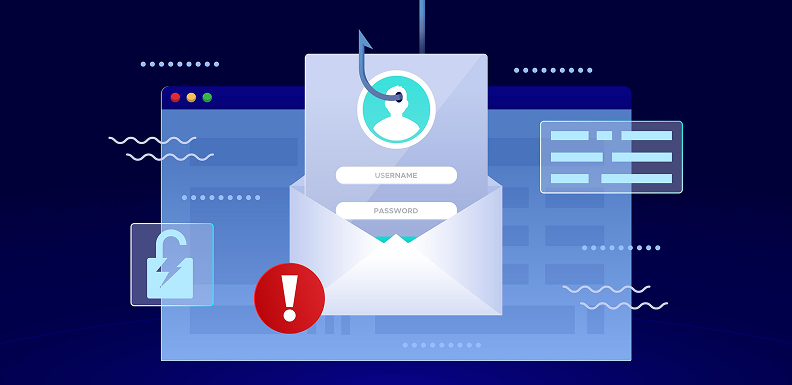
Most people don’t click on phishing emails because they’re careless or uninformed. They click because cybercriminals use social engineering tactics designed to feel urgent, familiar and easy to act on during a busy day. Understanding the psychology of phishing is one of the most effective ways organisations can reduce risk.
Phishing succeeds when messages blend into everyday workflows and reflect how people normally communicate at work or at home. Building resilience isn’t about blame. It’s about education, awareness, and consistent reinforcement that help people slow down, recognise subtle cues, and feel confident to pause or report.
Across the organisations we support throughout Australia and New Zealand, the pattern is consistent. Clicks happen when people are interrupted, managing competing priorities or trying to be helpful. These are normal human responses, not personal failures.
- Phishing attacks exploit predictable human behaviour and cognitive shortcuts
- People click when they feel rushed, stressed or socially obligated to respond
- Human-centred, supportive training changes behaviour more effectively than fear
- Confident employees recognise threats sooner and report earlier
How Phishing Manipulates the Way We Think
Phishing works because it targets how people naturally process information during the workday. Instead of relying on complex technical exploits, attackers design messages that trigger fast, automatic decision-making.
Fast Thinking and Why Busy People Are Vulnerable
When workloads are high, the brain relies on mental shortcuts to process information quickly. It’s also where phishing is most effective.
An employee moving between meetings, deadlines and messages may act before fully analysing a request. Attackers design emails to land in exactly these moments, using language that suggests urgency or routine importance.
This isn’t a technical failure or a lack of intelligence. It’s a predictable human response. With practice and awareness, people become better at slowing down just enough to notice when something feels off.
Emotional Triggers That Make Phishing Feel Legitimate
Most successful phishing messages tap into common emotional cues that prompt quick action, including:
- Urgency or time pressure
- Fear of missing something important
- Curiosity
- Authority or leadership pressure
- Familiar branding, tone or internal language
These tactics appear frequently in phishing emails that imitate everyday business processes, such as HR updates, IT notifications, or leadership requests. When training acknowledges these emotional responses, people are better able to recognise and manage them.
Cognitive Biases That Influence Trust
Human decision-making is shaped by cognitive biases. Familiarity, authority and scarcity all influence how we assess whether something feels trustworthy.
Attackers build messages around these biases, making emails appear routine, expected or aligned with normal workflows. Effective phishing awareness training helps employees understand not just what to look for, but why these messages feel believable in the first place.

Why People Still Click
Even experienced, security-aware employees can click under the right conditions. Knowledge is static, while behaviour shifts depending on pressure, fatigue and distraction. Regular, realistic practice helps people apply what they know when it counts.
Stress, Workload and Digital Fatigue
Modern workplaces create constant cognitive demand. Large inboxes, fast-response expectations, and frequent interruptions all affect decision quality. Common risk factors include:
- High cognitive load
- Time pressure
- Communication fatigue
Emotional Triggers That Make Phishing Feel Legitimate
Most successful phishing messages tap into common emotional cues that prompt quick action, including:
- Urgency or time pressure
- Fear of missing something important
- Curiosity
- Authority or leadership pressure
- Familiar branding, tone or internal language
Attackers understand this environment and design messages accordingly. Realistic phishing simulations help people practise pausing, checking and verifying even on busy days.
Social Norms and the Desire to Be Helpful
Workplaces are built on trust and cooperation. People want to respond promptly, support colleagues and meet leadership expectations. Phishing exploits these positive instincts.
A supportive culture encourages employees to verify unusual requests without fear of being seen as difficult or slow. This turns caution into a shared, protective behaviour.
Moving Beyond the “Weakest Link” Myth
Phishing is not a test of intelligence. It’s a test of timing, attention and context. Anyone can be caught out.
When organisations treat mistakes as failures, reporting drops. When mistakes are treated as learning opportunities, reporting improves, and resilience grows. A positive reporting culture is one of the strongest defences against phishing.
How Psychological Insight Builds Cyber Resilience
When organisations understand the psychology of phishing, they shift from blaming individuals to strengthening behaviours. This leads to training that feels relevant, supportive and effective.
Repetition and Realistic Practice Matter
Behavioural science shows that repeated exposure improves recognition. Realistic phishing simulations give people low-risk opportunities to practise spotting suspicious cues. Over time, recognition becomes faster and more intuitive.
Empathy Drives Reporting
Reporting is one of the most valuable security behaviours. When people feel supported, they report sooner and with more confidence. Early reporting helps organisations respond before threats escalate.
Automation and Local Relevance
Automated training and simulations ensure consistency without adding administrative load. When scenarios reflect current Australian and New Zealand threat patterns, employees stay aligned with real-world risks and feel the relevance immediately.
Practical Cues Employees Can Learn to Spot
Certain behavioural signals appear repeatedly in phishing attempts:
- Excessive urgency or unusual time pressure
- Requests that bypass normal approval processes
- Messages that rely on curiosity or fear to prompt action
Even familiar senders can be suspicious if tone, timing or a request feels unusual. Simple habits like pausing, verifying and reporting help people make better decisions even under pressure.
Turning Human Behaviour Into Your Strongest Defence
Phishing succeeds by exploiting predictable human behaviour. Organisations that understand this are better equipped to build confidence rather than fear.
The evidence is consistent: when employees feel supported, encouraged to practise and safe to report, overall risk decreases substantially. Human behaviour isn’t the problem. It’s the solution when it’s guided, reinforced and respected.
If your organisation is looking to strengthen cyber resilience through a more human-centred approach, get in touch with our team to explore how supportive training builds stronger, lasting habits.